
Lamar County Sex Offender Checks
The Georgia Sex Offender Registry is the main public channel for Lamar County. The Georgia Bureau of Investigation maintains the central system from information supplied by county sheriffs, the Georgia Department of Corrections, and the State Board of Pardons and Paroles. Lamar County's sheriff performs local registration and updates. These roles explain why a question about a new address may require both a registry search and a call to the sheriff.
The official registry gateway shown below carries the search entry point and its accuracy warning.
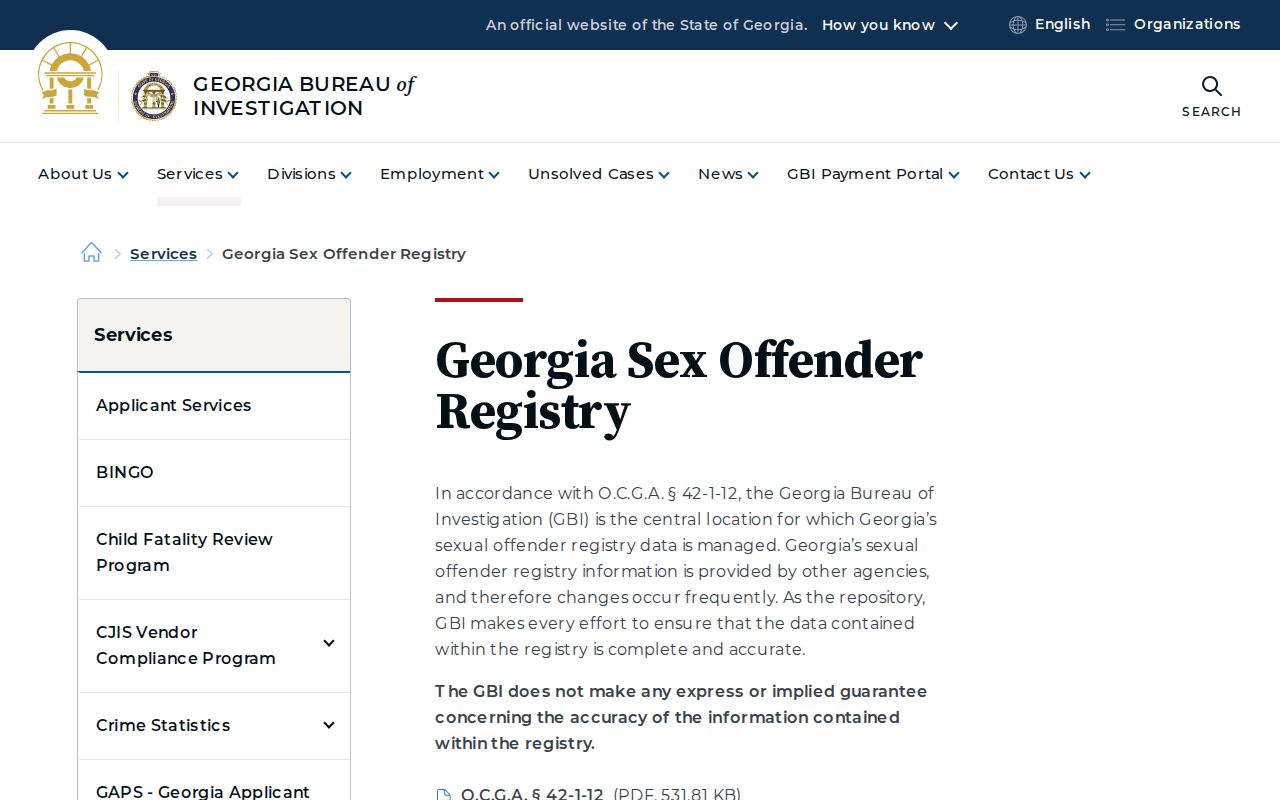
Read that warning before relying on a result because the database changes often and does not guarantee complete or current information.
Lamar Registry Update Clocks
Three time rules govern a local entry. A covered person generally must register or report changed information in person within 72 hours. The Lamar County sheriff then submits updates within two business days. GBI refreshes the public registry daily. These periods overlap but are not the same. A move reported today may be lawful and still be passing from the local office to the public screen.
Annual verification runs on a separate clock. A registrant generally appears at the sheriff's office within 72 hours before the person's birthday for a new photograph and fingerprints. A homeless registrant reports in the county where the person sleeps. When a date, address, or compliance label matters for immediate safety, note the screen's update information and verify with the sheriff rather than confronting anyone.
Georgia Sex Offender Registry Searches
The GBI registry permits more than one search strategy. Choose Lamar County for a broad local view, use a name when checking a known identity, or use address and geographic controls when the live interface exposes them. A wrong spelling can cause a false “no result.”
- Open the GBI registry gateway and read the accuracy and misuse notice.
- Select Lamar County, enter a name, or use the available city, ZIP, address, and radius controls for the question being asked.
- Compare the photo, aliases, physical descriptors, offense jurisdiction, address status, and classification before deciding that a result matches.
- Review any last-updated or verification field, then contact the Lamar sheriff if a recent change or possible error needs confirmation.
| Field label | Type | Required | Use |
|---|---|---|---|
| First and last name | Text | No | Known-person pathway; spelling affects results |
| County | Dropdown | No | Select Lamar for a county-wide search |
| City, ZIP, or address | Text | No | Geographic search when shown by the live interface |
| Radius | Dropdown | No | Distance options were not verified and should be read live |
| Warning acceptance | Button | Yes | Required before proceeding to public results |
Missing Lamar Registry Results
An empty result does not prove that no duty exists. GBI identifies several possible causes: incorrect search data, a new record not yet submitted, no qualifying registration duty, death or deletion, or completed First Offender treatment. Juveniles generally do not register unless tried and convicted as adults. A recent move between states can also create timing and jurisdiction questions.
The GBI registry FAQ documents those limits and registration rules.
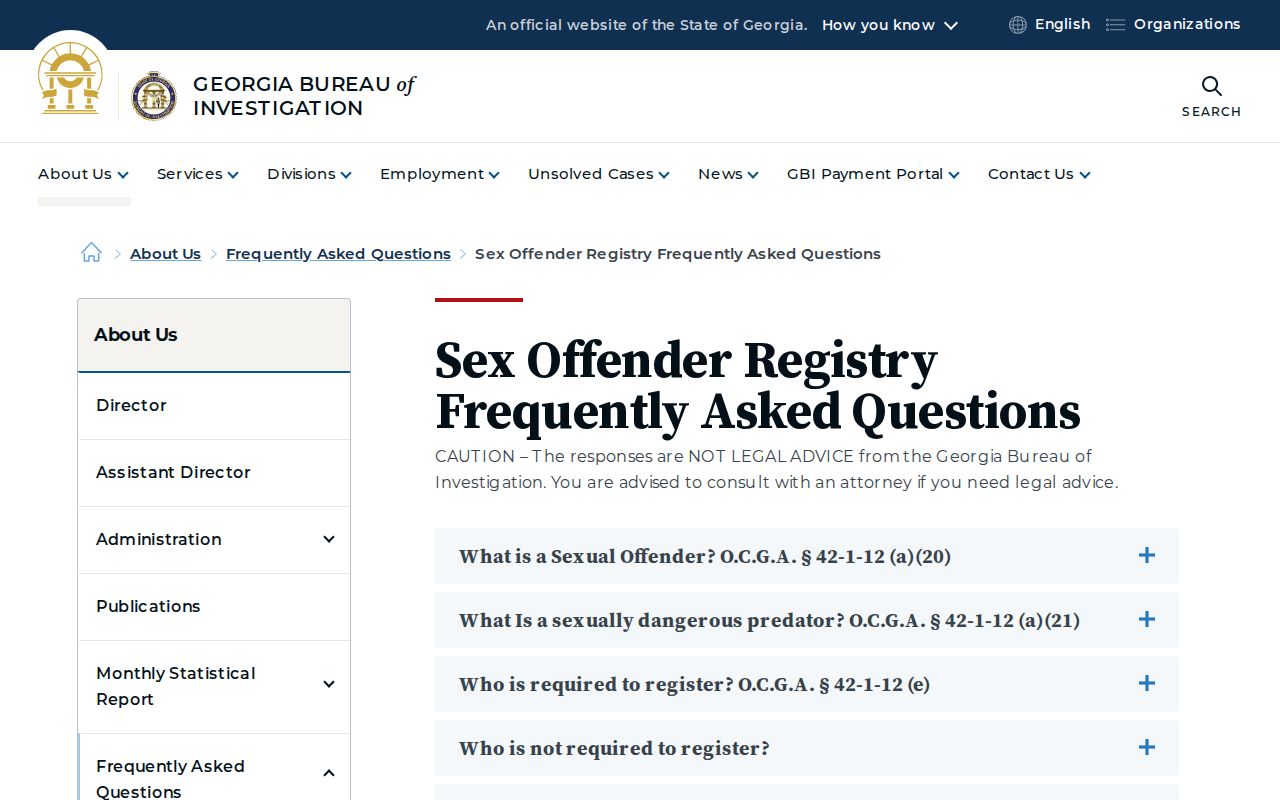
Check alternate spelling, geography, and the other jurisdiction's official registry before treating an absence as conclusive.
Registry Profiles: What They Show
A Georgia public profile combines identifiers, offense information, current registration facts, and state risk assessment. Exact fields can vary, so read the whole profile instead of relying on a photograph or address alone.
| Name and aliases | Supports identity matching and helps account for alternate names. |
|---|---|
| Photo and description | May include age or birth data, sex, race, height, weight, hair, eyes, and identifying marks. |
| Registered locations | May show residence or sleeping location and authorized employment or school details. |
| Offense information | Can show the offense, statute, conviction jurisdiction, and date. |
| Risk classification | Shows Level I, Level II, sexually dangerous predator, or pending assessment when supplied. |
| Registration status | May show compliance and verification information that should be checked for recency. |
| Vehicle details | May appear where authorized as part of the statutory public data. |
The profile describes a past conviction and present statutory registration. It is not a live accusation. Do not infer current presence from an old verification date or turn a classification into a personal prediction.
Location fields require special care. A residence is not the same as a school, workplace, or a sleeping location reported by a person without a fixed home. Likewise, an offense jurisdiction identifies where the conviction occurred, not necessarily where the person now lives. Compare the field labels and verification date before drawing any geographic conclusion.
Lamar Sheriff Birthday Verification
Local verification is an in-person sheriff function. Covered residents generally appear annually within 72 hours before their birthday for an updated photograph and fingerprints. Changes in residence, employment, school, vehicles, or other required information follow the separate 72-hour reporting rule. Someone moving out of Georgia notifies the last Georgia sheriff and registers in the new state within its required period.
The Lamar sheriff's public-interest page routes residents to official registry information.
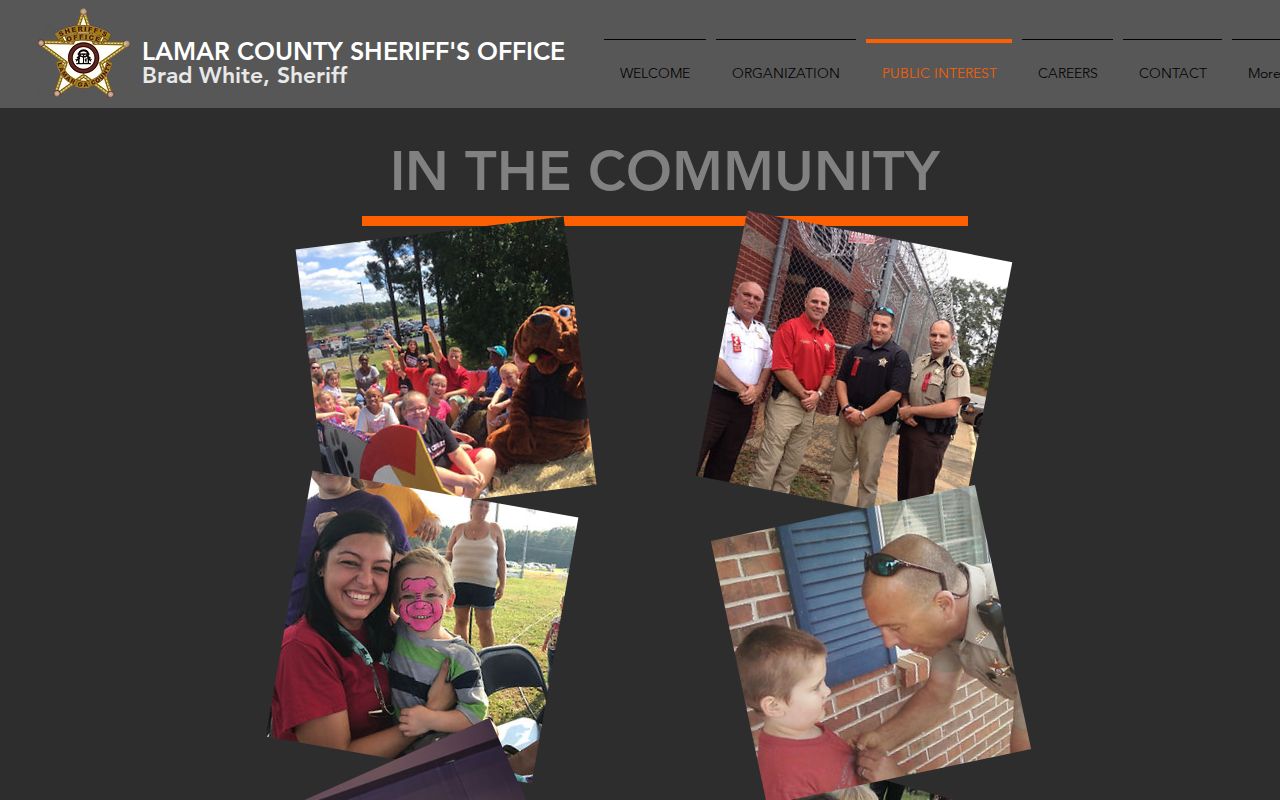
That local connection is useful when a GBI entry appears stale, a recent move is being processed, or suspected noncompliance needs to be reported.
Lamar County Sheriff's Office
121 Roberta Drive
Barnesville, GA 30204
770-358-5159
Local registration, verification, and update questions
Registration Levels and Duties in Georgia
Georgia's classification system is not a simple public 10-year, 25-year, and lifetime tier schedule. The Sexual Offender Registration Review Board assesses risk, while statutory registration generally continues unless a court grants relief. A Level I finding alone does not end registration.
| Classification | Meaning | Registration effect |
|---|---|---|
| Level I | Lower assessed risk of another covered offense | Duties continue unless a court grants statutory relief |
| Level II | Intermediate or higher assessed risk | Registry and verification duties continue |
| Sexually Dangerous Predator | Board and court designation under Georgia law | Enhanced requirements may include electronic monitoring |
| Not yet classified | Review Board assessment remains pending | Registration can apply before classification is final |
The official Georgia classification law summary explains the review process.
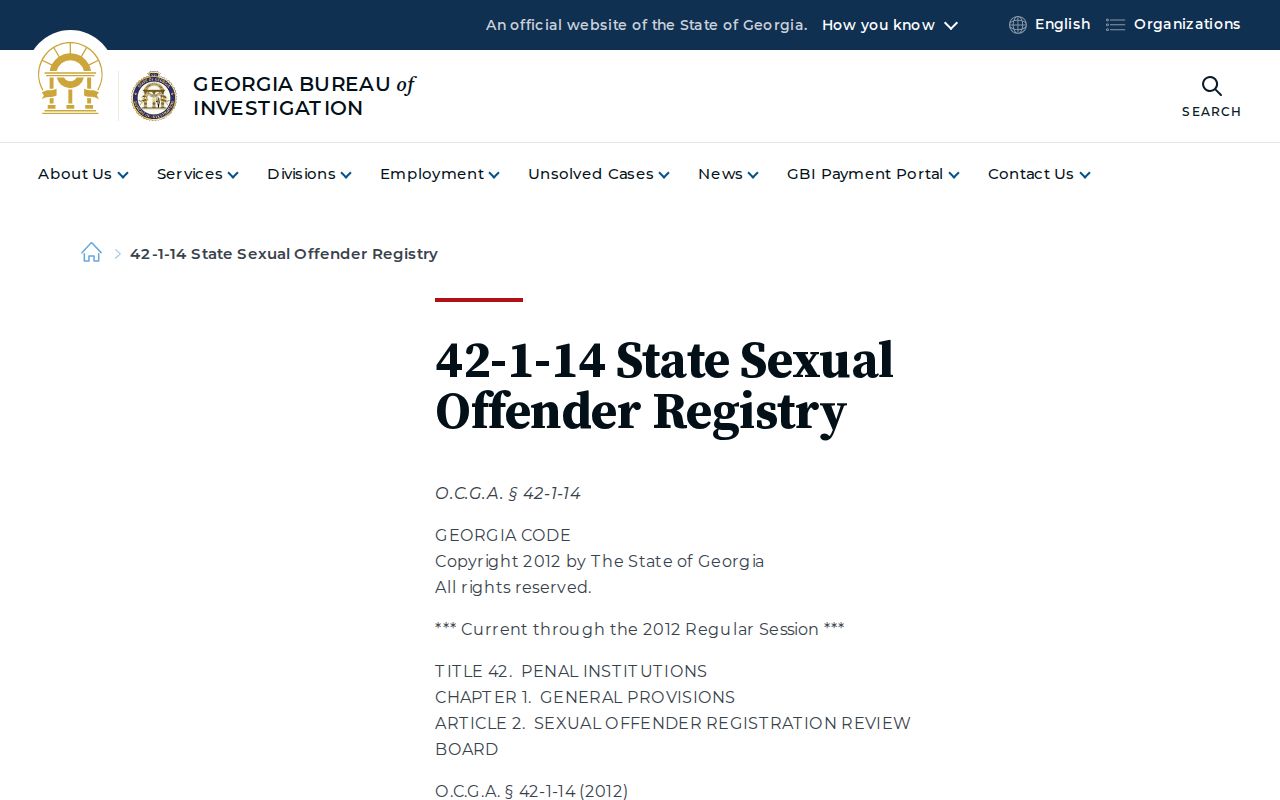
Classification addresses assessed risk. The conviction, registration duty, and eligibility for court relief remain separate legal questions.
The Review Board may consider criminal history, prior records, treatment material, psychological evaluation, and other assessment information. It sends the classification to the person and relevant agencies. An unclassified entry can still carry registration duties while review is pending, so the absence of a final level should never be read as an exemption.
Lamar Registry and NSOPW
The GBI registry is the direct state source for Georgia entries. The Dru Sjodin National Sex Offender Public Website searches participating jurisdictions and is useful when someone recently crossed a state line or when the relevant location is uncertain. NSOPW is an aggregator of official public registries, not the custodian that can correct a Lamar County entry.
| Channel | Best use | Who confirms data |
|---|---|---|
| GBI registry | Georgia name, county, and address research | GBI repository and submitting sheriff |
| NSOPW | Cross-state supplement | Underlying state or tribal registry |
| Lamar sheriff | Recent local verification or suspected noncompliance | Local registration office |
Note: A national search supplements the Georgia record; it does not override the local sheriff's verified update.
Georgia Residency Restriction Details
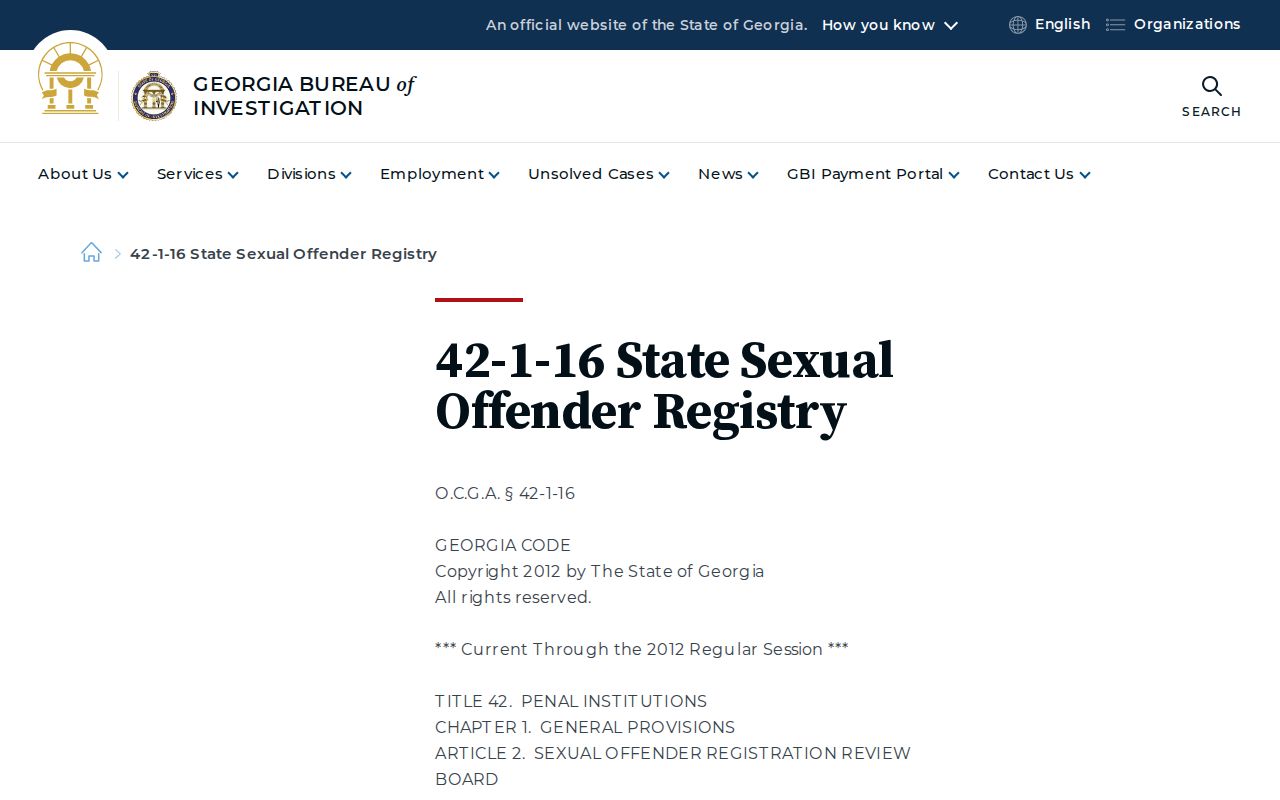
Some covered Georgia restrictions use a 1,000-foot distance, but application depends on the offense date, statutory history, location type, and the person's legal status. The official Georgia registry restrictions source supplies the governing provisions and penalties.
A map pin alone cannot resolve every restriction question. Current statute text, the verified address, and qualified legal advice may be needed before drawing a conclusion.
Lamar Superior Court Registry Relief
Georgia law allows some qualifying people to petition the proper Superior Court for relief under O.C.G.A. §42-1-19. Eligibility depends on statutory criteria, the sentence, offense history, risk assessment, and required service on the district attorney and sheriffs. No public profile or Level I label alone promises removal.
A person reviewing their own status should obtain the conviction and sentencing documents, confirm current classification, and identify the correct court before filing. Lamar County Superior Court records are available through the clerk at 326 Thomaston Street. Court relief and correction of a factual registry error are different paths. An incorrect address or status should first be raised with the registering sheriff.
Service requirements also matter. The district attorney and relevant sheriffs may have to receive the petition, and the proper Superior Court depends on the statute and case facts. Registry relief is therefore not an online profile-edit request. It is a court process with evidence and notice requirements. No local fee schedule was confirmed in the reviewed official sources, so ask the clerk about current filing and copy costs.
Using Registry Information Lawfully
Registry information supports personal, family, and community safety planning. Check addresses with care, account for update dates, and report suspected noncompliance to the Lamar County Sheriff's Office. Call 911 for an immediate threat. Do not visit, contact, follow, threaten, or publish extra personal details about a listed person or household.
Use the registry lawfully: Harassment, threats, intimidation, vigilantism, and unlawful discrimination are not permitted uses of Georgia registry information. Report concerns to law enforcement.
Data can change quickly. Confirm a profile with the agency that maintains it before acting on a safety concern, and use the record only within the law.